



India-Israel relations can be categorized into three key timeframes:
1948 – 1992: India’s hostility toward Israel
1992 – 2014: India’s neutrality
2014 – 2024: India-Israel friendship
While Israel always remained pro-India, the evolution of their relationship has been significant over the years.
India and Israel’s relationship dates back to the Indus Valley civilization, over 5000 years ago, when both nations were trade partners. It is known that expensive garments in the Temple of Jerusalem were imported from India via Alexandria.
But for modern context, we will begin from 1947.
Mahatma Gandhi believed Jews had a rightful claim to Israel but opposed the creation of Israel on religious grounds.
13 June 1947:
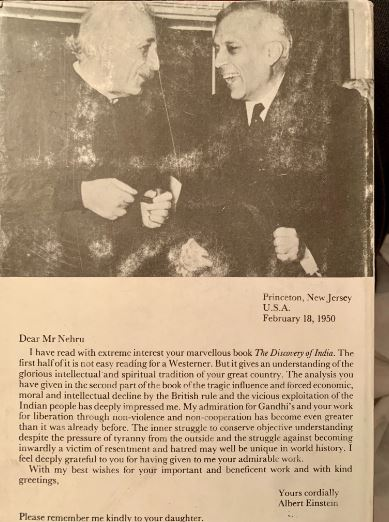
Albert Einstein wrote a letter to Jawaharlal Nehru, urging him to support the establishment of a Jewish state. However, Nehru did not accept Einstein’s request.
14 May 1948:
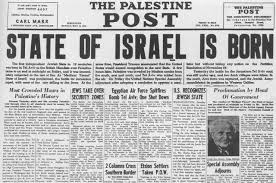
Israel was created, and India voted against the partitioning of Palestine. India was the only non-Muslim country in the world that supported Palestine at that time.
1949:
India voted against Israel’s admission to the United Nations.
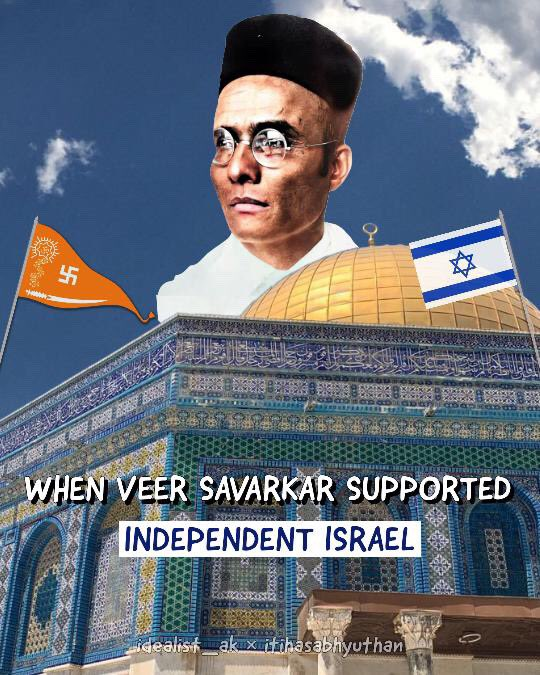
Veer Savarkar, on both moral and political grounds, supported the creation of Israel and condemned India’s vote against it at the UN. RSS leader Golwalkar admired Jewish nationalism and believed that Palestine was the natural territory of the Jewish people.
1950:
India officially recognized the State of Israel.
1953:
Israel was permitted to open a consulate in Bombay, but India did not open a corresponding consulate in Israel.
1962:
During the India-China war, despite India always supporting Arab countries against Israel, no Arab country supported India. Israel offered ammunition to India, but Nehru, not wanting to offend Indian Muslims, requested that weapons be sent without an Israeli flag. The Israeli PM responded, “No flag, no weapons.” Eventually, India received weapons from Israel, with the Israeli flag.
1965:
When Pakistan attacked India in 1965, no Arab country came to India’s aid. Israel, however, supplied M-58 160-mm mortar ammunition to India during this conflict.
1971:
During the India-Pakistan War, Israel even defied its ally, the United States, and helped India by supplying M-58 160-mm mortar ammunition.
70s:
As Pakistan was developing its nuclear bomb, Israel offered a joint operation between Mossad and RAW to destroy Pakistan’s nuclear facility, but India declined.
1975:
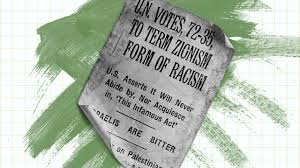
India supported a UN resolution equating Zionism with racism.
1985:
After Israel bombed Palestinian camps in Lebanon, Indian Prime Minister Rajiv Gandhi sent External Affairs Minister Baliram Bhagat to participate in the UNSC debate, where India strongly condemned the bombardment.
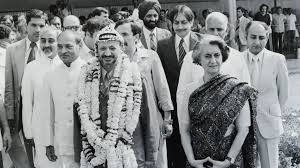
Nehru, Indira Gandhi, and Rajiv Gandhi consistently maintained anti-Israel and pro-Palestine stances.
1990:
The Janata government took the first tentative steps towards diplomatic recognition of Israel. The consulate in Bombay was upgraded, and the consul general was allowed to visit Delhi to meet officials.
1992:
After decades of non-aligned and pro-Arab policy, India formally established relations with Israel by opening an embassy in Tel Aviv when P.V. Narasimha Rao became Prime Minister.
1996:
India purchased 32 UAVs, Electronic Support Measure sensors, and an Air Combat simulator system from Israel.
1997:
Ezer Weizman became the first Israeli President to visit India.
1998:
India conducted nuclear tests at Pokhran, and Israel supported India once again.
1999:
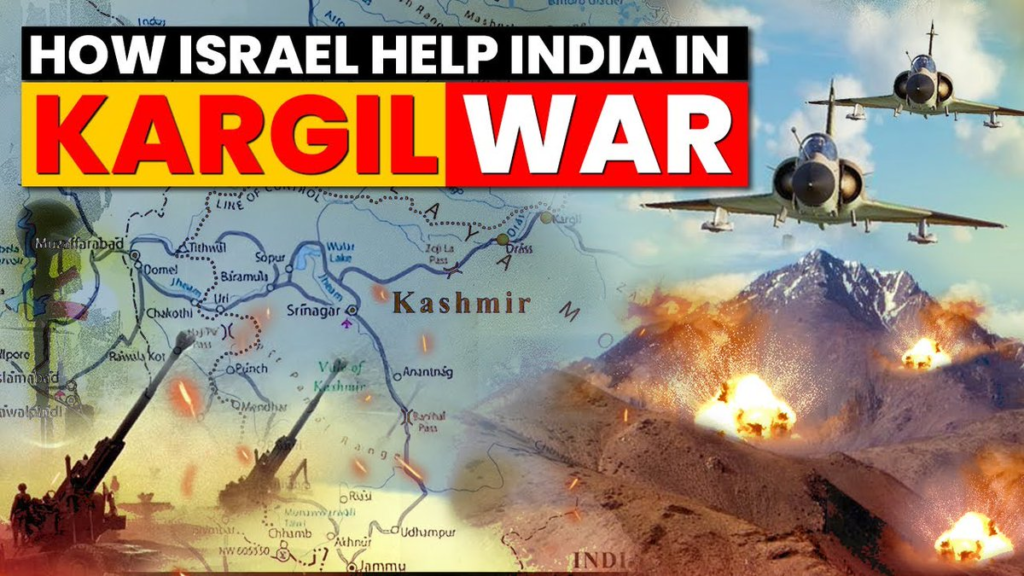
During the Kargil War, Israel provided crucial support to India by quickly supplying laser-guided missiles despite pressure from the U.S. and other countries.
2000:
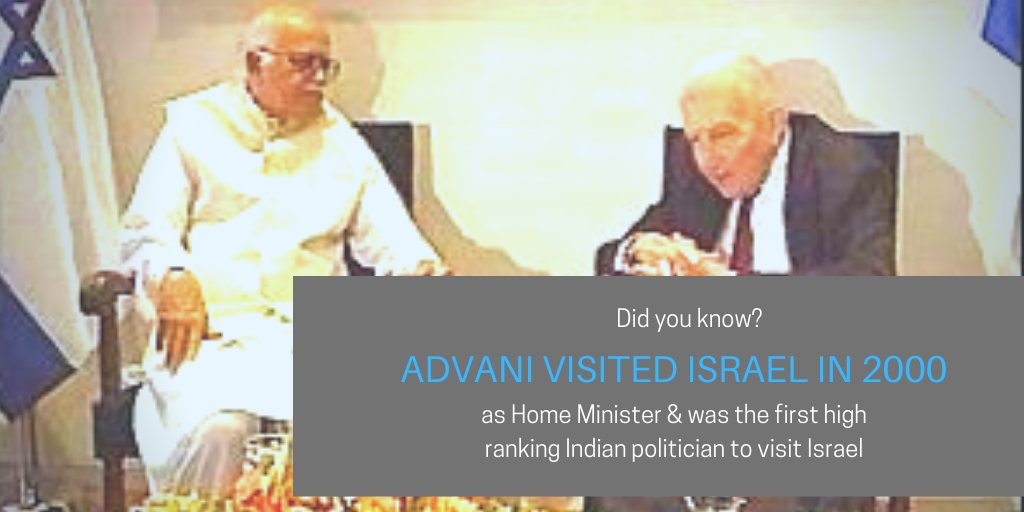
L.K. Advani became the first Indian minister to visit Israel. Later that year, Jaswant Singh became the first Indian Foreign Minister to visit Israel.
2003:
Ariel Sharon became the first Israeli Prime Minister to visit India. His visit was condemned by leftist groups and Muslims in India.
2004-2014:
Under the UPA government, India and Israel’s defense ties further strengthened, but India continued to oppose Israel in the UN.
2006:
Then Gujarat Chief Minister Narendra Modi visited Israel. Other Indian government ministers like Sharad Pawar, Kapil Sibal, and Kamal Nath visited both Israel and Palestine.
2012:
Foreign Minister S.M. Krishna made a two-day visit to Israel.
2014:
A golden era of India-Israel friendship began in 2014. After Narendra Modi’s victory in the general elections, Israeli Prime Minister Benjamin Netanyahu personally congratulated Modi.
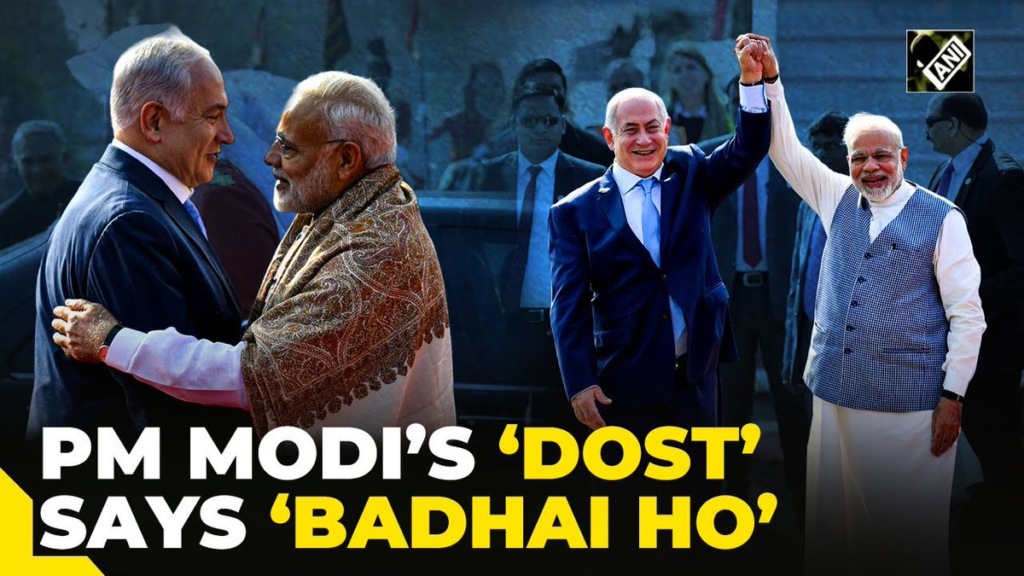
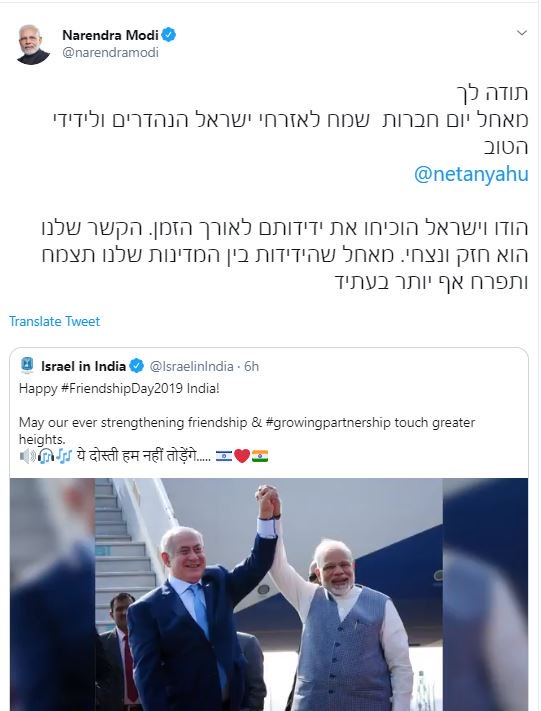
Modi later met Netanyahu in New York City on the sidelines of the UN General Assembly during his U.S. visit. On the occasion of Hanukkah, Modi greeted Netanyahu in Hebrew on Twitter, and Netanyahu responded in Hindi.
2014:
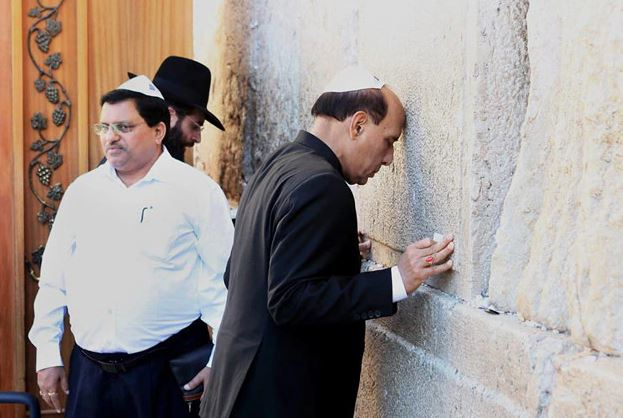
Indian Home Minister Rajnath Singh visited Israel. Notably, Singh became the first Indian minister to visit Israel without also visiting Palestine.
2015:
Pranab Mukherjee became the first Indian President to visit Israel, where he was given the rare honor of addressing the Knesset.
2016:
Foreign Minister Sushma Swaraj visited Israel, and Israeli President Reuven Rivlin visited India on a week-long state visit.
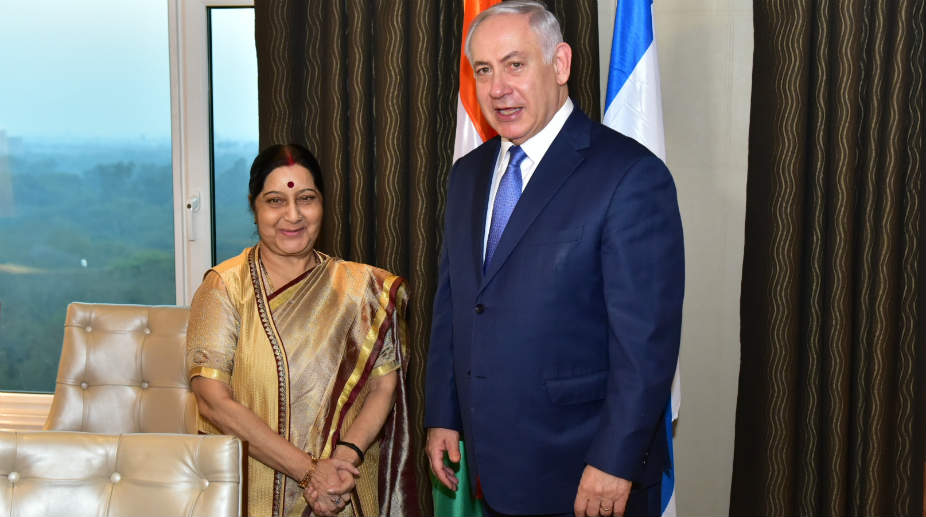
2017:
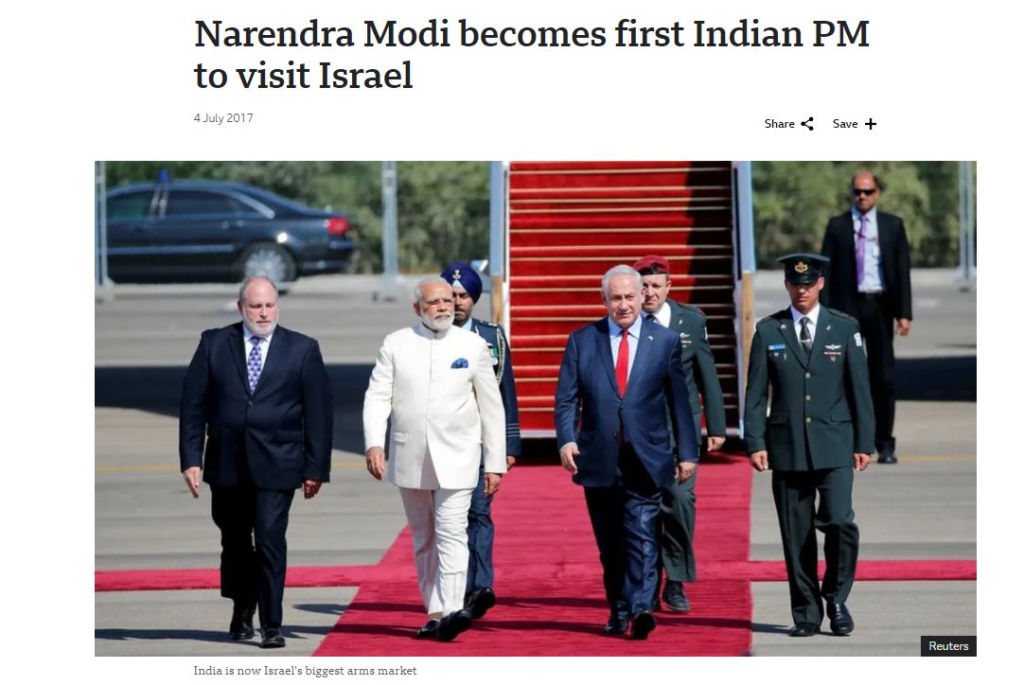
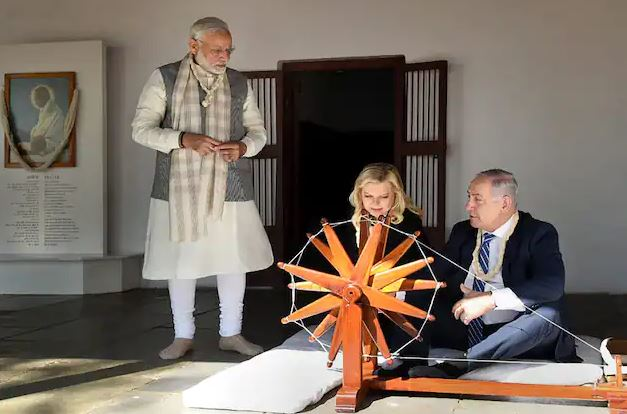
The most significant moment in India-Israel relations came in 2017 when Narendra Modi became the first Indian Prime Minister to visit Israel. Importantly, Modi did not visit Palestine during the trip, breaking from past convention. Both countries signed several Memorandums of Understanding (MoUs).
2018:
With a 130-member delegation, Benjamin Netanyahu visited India. Both countries signed nine MoUs during the visit.
Here’s the revised version with grammatical improvements:
2019:
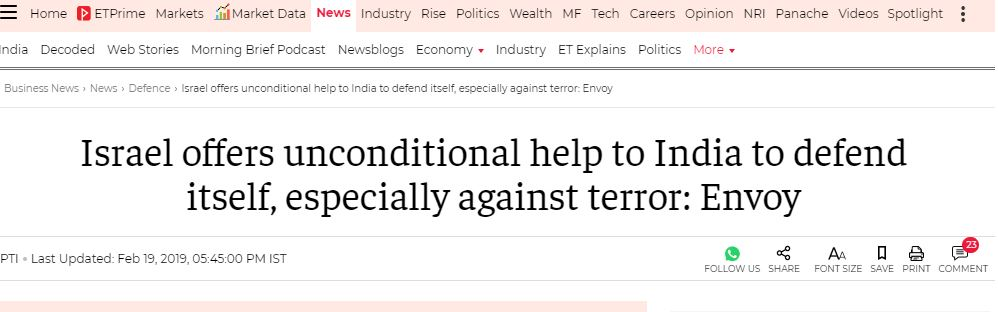
During India’s airstrike on Pakistan, Israeli-made bombs were used. Israel offered unconditional support to India. Later in the same year, when India revoked Article 370, Israel again supported India.
2021:
External Affairs Minister S. Jaishankar made his first visit to Israel since taking office.
2023:
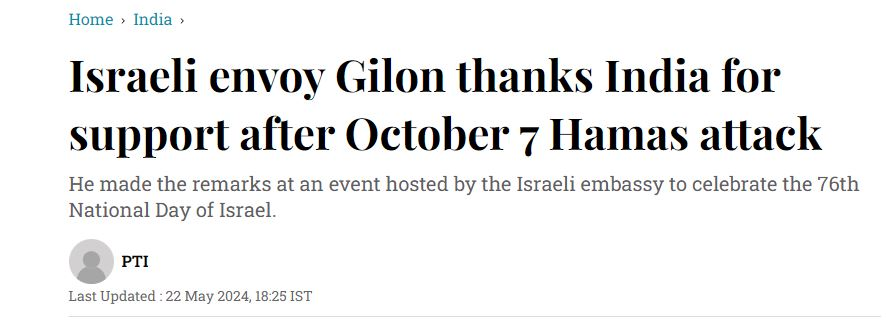
After the Hamas attack on Israel in 2023, Israel’s ambassador to India, Naor Gilon, highlighted the overwhelming support from Indians. He stated, “If you look at the Israeli Embassy’s social media, it’s amazing. I could have another IDF with Indian volunteers.”
Modi and the BJP took a strong pro-Israel stance after the Hamas attack.
2024:
India has supported Israel on many occasions at the UN by abstaining from votes against Israel.
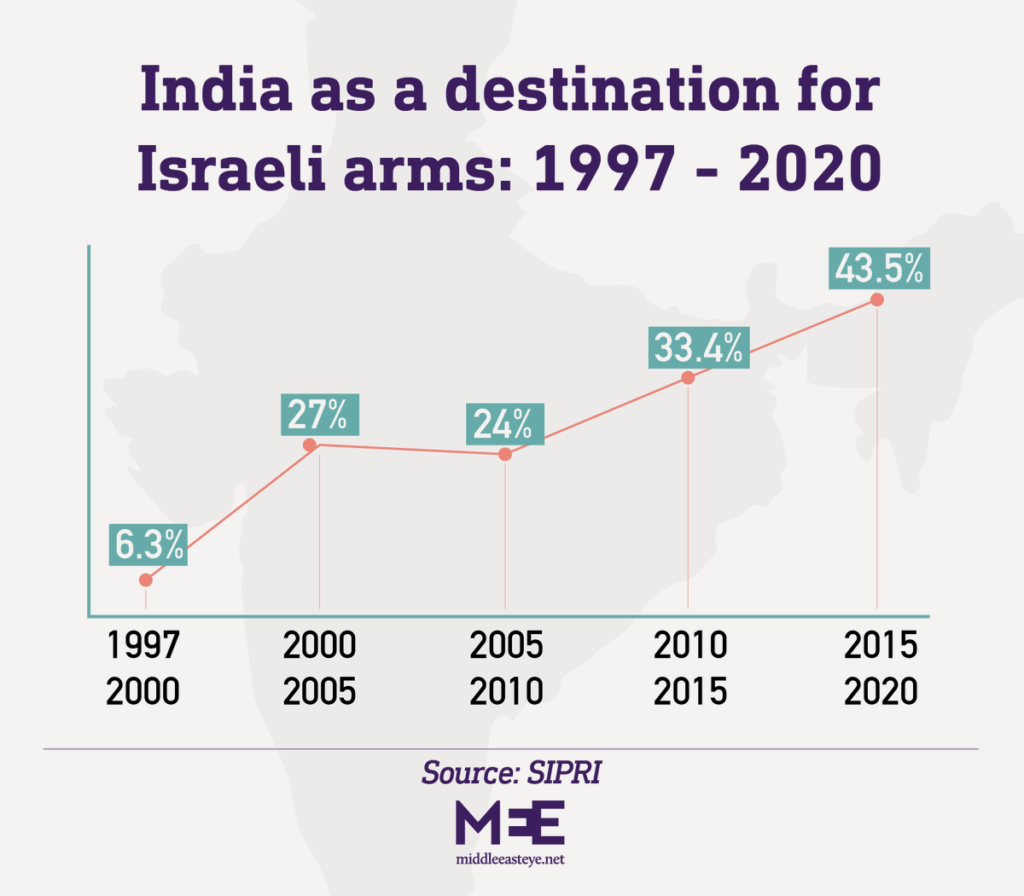
Today, Israel is India’s second-largest arms supplier after Russia.
Indians make up the largest share of foreign students in Israel.
India’s imports from Israel amount to US$1.71 billion, while exports to Israel reach US$6.05 billion.
Israel is a classic example of how, for the sake of 15% of its Muslim electorate, India maintained a hostile relationship with a country that had supported it through every key moment for 60 years.
Israel supported India in:
- The 1962 War
- The 1965 War
- The 1971 War
- The 1998 nuclear bomb test
- The 1999 Kargil War
- The 2016 Surgical Strike
- The 2019 Airstrike
- The 2019 revocation of Article 370
While India remained hostile to Israel until 1992, neutral until 2014, the relationship has blossomed into a true friendship since 2014.