



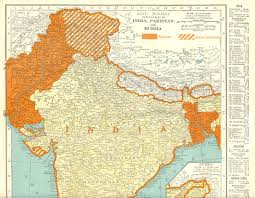
In 1947, a new country was born—Pakistan—which consisted of two separate land areas separated by 2,200 km:
- West Pakistan
- East Bengal
Jinnah succeeded in creating Pakistan, but the next big challenge was keeping these two regions united.
Jamat e Islami opposed partition coz they wanted entire Hind as Islamic state and this partition will delay their Ghazwa e Hind. After Partition Jamat e Islami shifts to Pakistan One branch of Jamat is opened in Bangladesh. Their motto was to establish rule of Islam
1948 Tussle starts between West Pak and East Bengal. Jinnah declarer one language Urdu for entire Pakistan which is opposed by Bengali speaking Muslims from East Bengal. Pakistan govt orders omission of Bengali script from coins, stamps and government exams
In 1948, since the entire power structure of Pakistan was in West Pakistan, the people of East Bengal began to feel betrayed. The East Bengal Assembly, led by the Nazimuddin-led Muslim League government, passed a resolution making Bengali an official language of the province.
In 1949, Awami League is formed
East Pakistan Awami Muslim League is founded in Dhaka by Bengali nationalists Abdul Hamid Khan Bhashani, and Shamsul Huq Bengali alternative to the domination of the Muslim League in Pakistan, Suhrawardy leaves ML and joins the Awami League
1949–1952: Bengali Nationalism
The Awami League exploited the growing anger of the people of East Bengal against West Pakistan, building a narrative centered on Bengali nationalism, Bengali ethnicity, and Bengali Muslim identity. Meanwhile, West Pakistan and Jamaat-e-Islami tried to promote a narrative of Islamic unity.
21 Feb 1952: Firing on Students
A crucial turning point occurred in 1952 when students in Dhaka organized a demonstration against the imposition of Urdu. The police opened fire, resulting in the deaths of many students. This day is still remembered as Shohid Dibosh and began paving the way for the rise of Bengali nationalism in East Bengal.
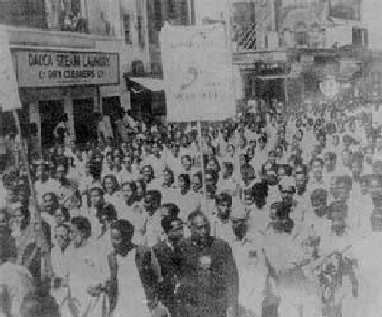
1954: Awami League Forms Government in East Bengal
The Awami League formed a United Front with like-minded parties and chose the traditional Bengali boat as their symbol. They swept the elections, defeating the Muslim League. The new cabinet included many student activists who had led movements against the Pakistani state.
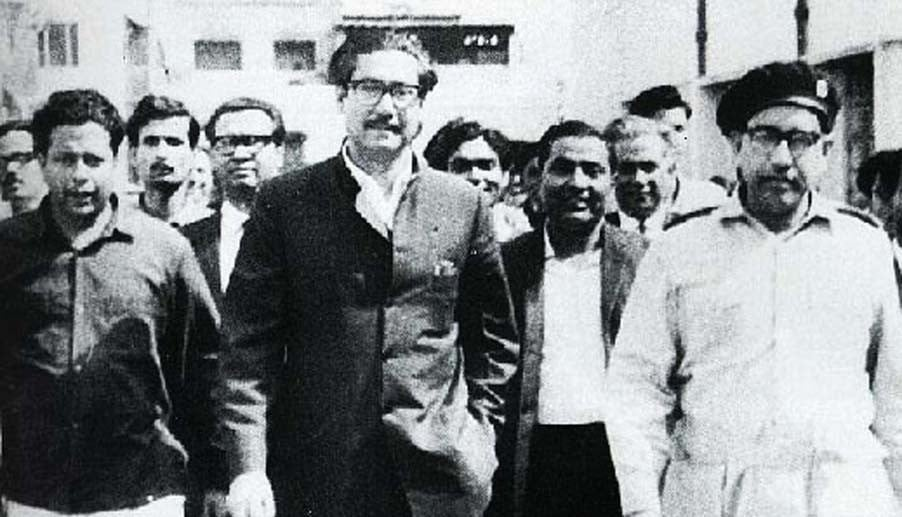
1954 : Entry of Mujibur Rahman
One of them was Mujibur Rahman who becomes commerce minister of East Pakistan but soon their govt is dissolved
1955: Name Change
Pakistan changes the name of East Bengal to East Pakistan. It again fumes to East Bengal people
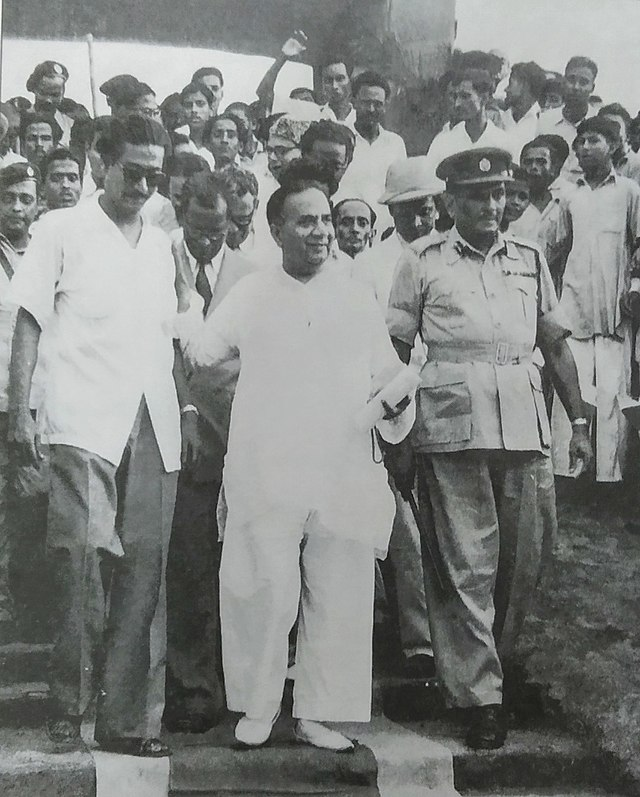
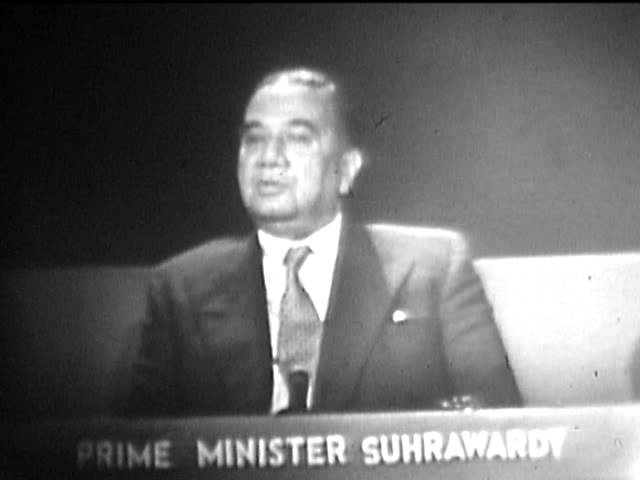
1956: First time power goes to East
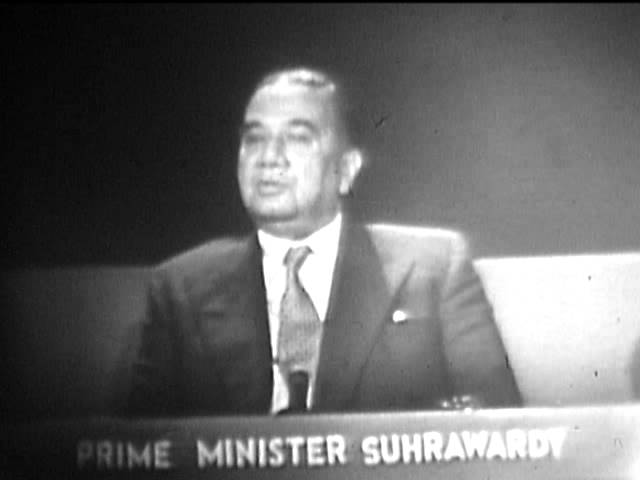
Awami league forms govt in entire Pakistan and Suhrawardy becomes PM of Pakistan First time a party from East Pakistan forms govt. Most of ministers in cabinet are appointed from East Pakistan
1958: Military Rule in Pakistan
But euphoria of Bengali people doesn’t last for long. Military rule starts in Pakistan. Pak Army Chief Ayyub Khan becomes President of Pakistan, during his tenure huge discrimination happens against East Pakistan
1962: University of Dhaka
The University of Dhaka became a hotbed for student activism, advocating for greater rights for Bengalis and the restoration of democracy in Pakistan.
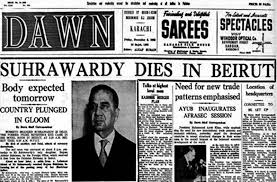
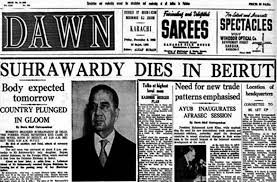
1963: PM Suhrawardy’s Death
Suhrawardy was found dead in Lebanon. Many people in East Pakistan believed he was killed by the Pakistani Army because he was Bengali.
1963: Mujibur Rahman Rises in the Awami League
Mujibur Rahman became the General Secretary of the Awami League, and his popularity continued to grow in East Pakistan.
1966: Mujibur Rahman Becomes President of Awami League
Mujibur Rahman was elected President of the Awami League and began demanding autonomous power for East Pakistan.
1967: Mujibur Arrested
After Pakistan’s defeat in the 1965 war with India, the government banned the works of Rabindranath Tagore across the country, which further angered the people of East Pakistan. Mujib was arrested in the Agartala Conspiracy Case on charges of sedition and was imprisoned for two years.
1970: Pakistan General Elections
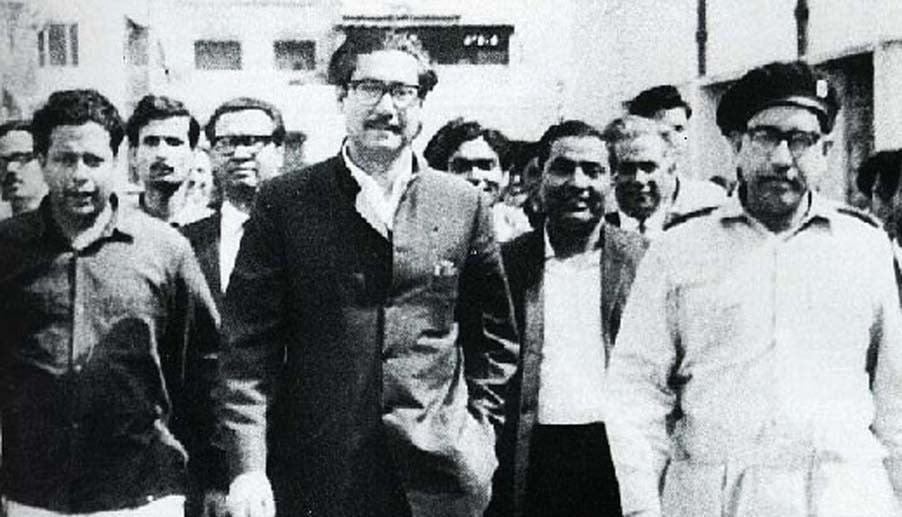
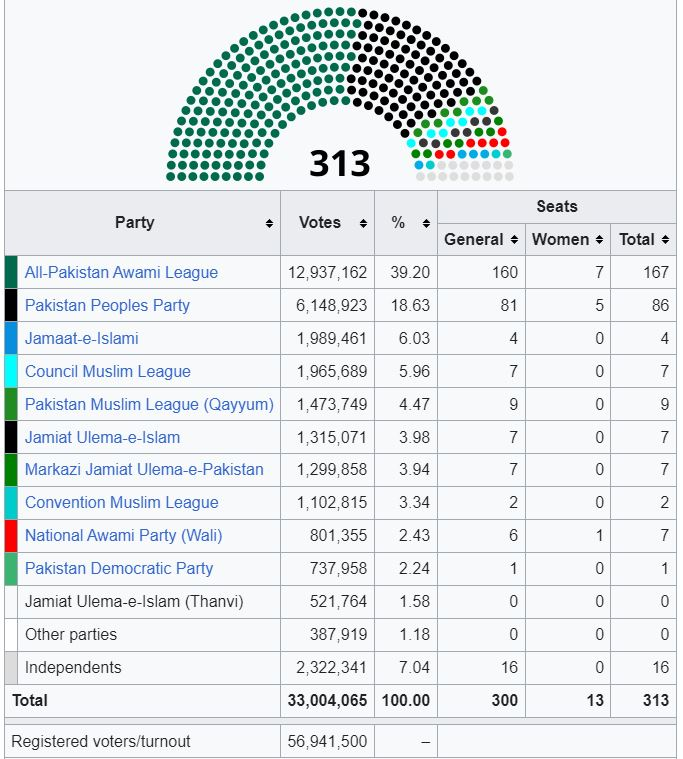
Mujibur Rahman was released from jail in 1969. In the 1970 elections, which included 300 seats (162 from East Pakistan and 148 from West Pakistan), the Awami League won 167 seats. Mujibur was poised to become the Prime Minister of Pakistan, but West Pakistan refused to grant him power.
7th March 1971: Independence Movement
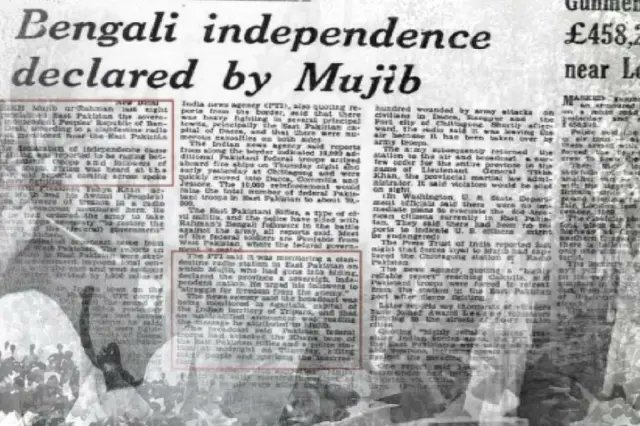
When the Pakistani army refused to transfer power, Mujibur Rahman delivered a historic speech and announced the independence movement. During the Bangladesh Liberation War in 1971, Mujib declared Bangladesh’s independence. Bengali nationalists appointed Mujib as the head of the Provisional Government of Bangladesh.
1971: Jamaat-e-Islami and the Razakars
Jamaat-e-Islami in Bangladesh remained loyal to the idea of an Islamic state and opposed the liberation of East Bengal, supporting Pakistan instead. They formed a guerrilla force called the Razakars, who assisted the Pakistani army. The Razakars were responsible for numerous atrocities, including the killing and raping of many Hindus in East Pakistan.
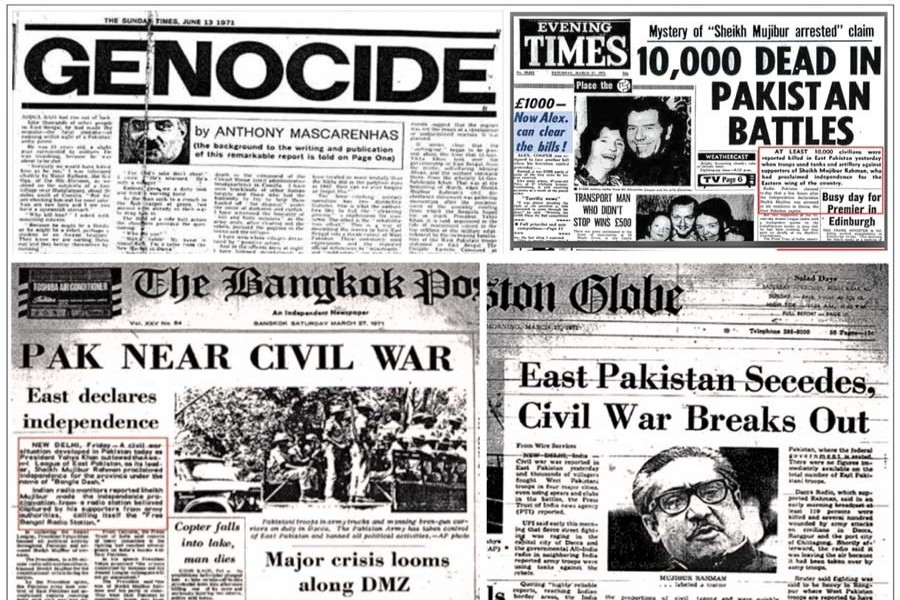
1971: The War
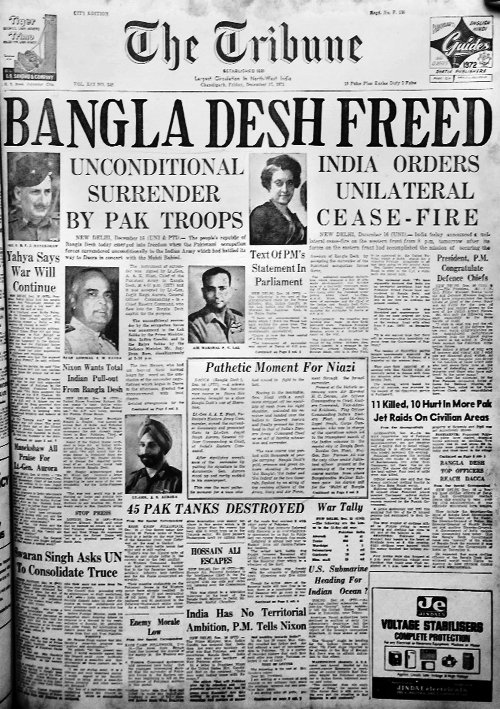
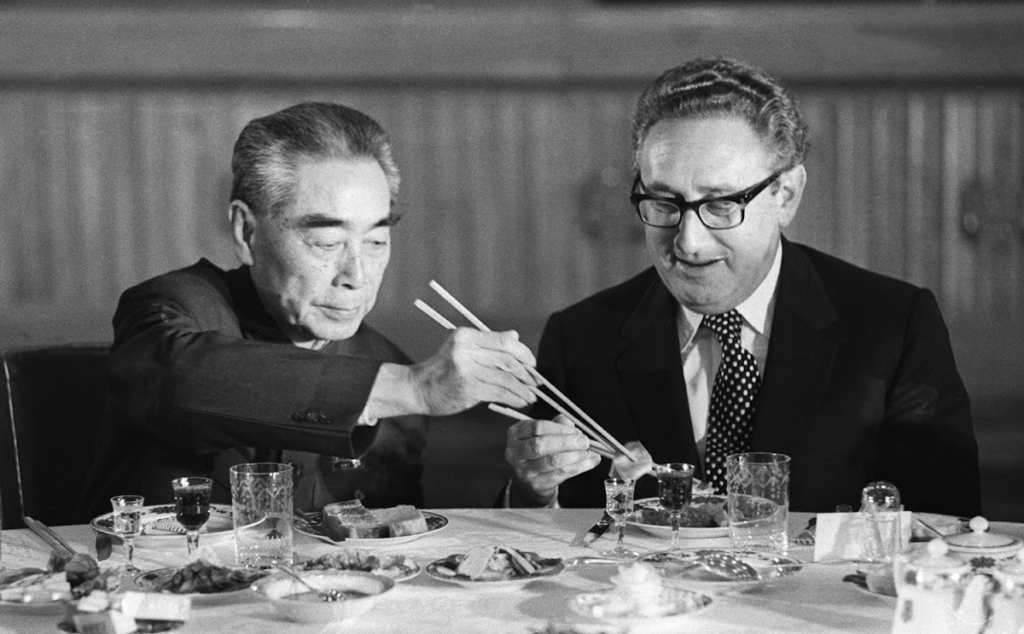
Following Mujibur Rahman’s announcement, the people of East Pakistan formed an army called the Mukti Bahini. The conflict led to significant bloodshed in East Pakistan. Eventually, India intervened, leading to a war between Pakistan and India. The USA and China supported Pakistan, while the USSR supported India.
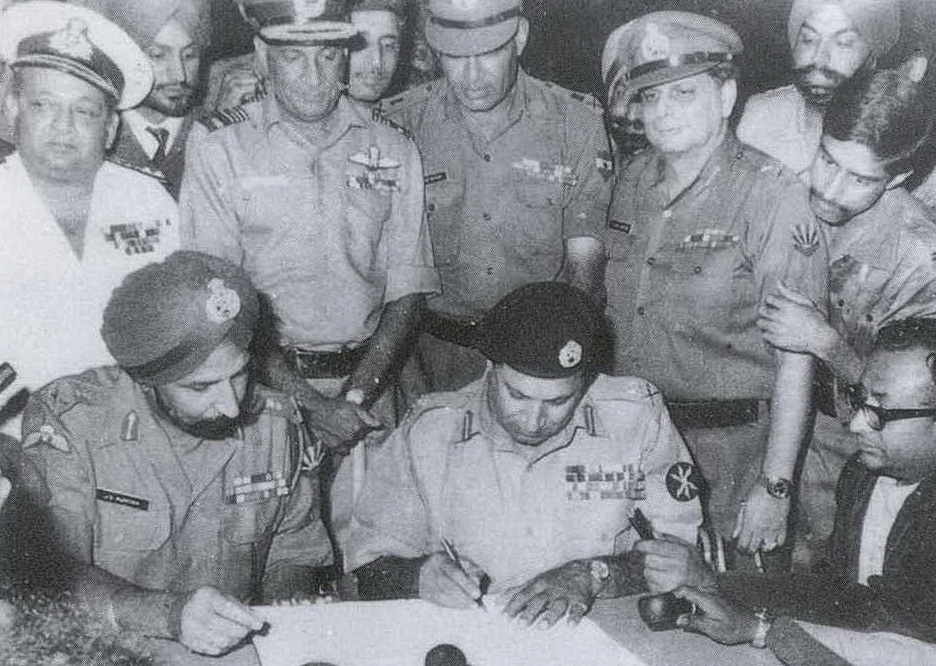
1971: Birth of Bangladesh
Pakistan was divided into two parts, and a new country, Bangladesh, was born. The war was a clash between Islam and Bengali ethnicity, Urdu and Bengali, religion and nationalism. Nationalism and ethnicity emerged victorious, while Islam faced defeat. However, the question remains: for how long?
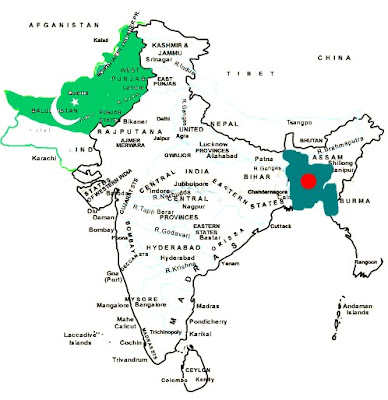
1971: The Aftermath
The war and the birth of Bangladesh left deep scars. Pakistan vowed to destroy India through ‘a thousand cuts’ and to reclaim Bangladesh one day. Jamaat-e-Islami could not accept the defeat of Islam and pledged to take back Bangladesh through Islamic means. The US also vowed to teach Bangladesh a lesson.
Mujibur Rahman became the Prime Minister, and Bangladesh emerged as the first constitutionally secular country in South Asia. Formed on the basis of nationalism, the question remains: How long will it survive? Will Jamaat-e-Islami’s dream of Gazwa-e-Hind come to fruition? Will the US regain its influence? …to be continued.